Billboards are far from outdated.
In fact, the Out-of-Home (OOH) advertising industry has come back stronger than ever in the post-pandemic world. As of 2024, the industry has officially surpassed pre-2020 levels — and a huge part of that growth is being driven by digital innovation.
What used to be a static billboard on the side of the highway is now a dynamic, data-driven, highly targeted marketing machine.
Let’s break down what’s happening in the world of billboards and outdoor advertising — and where it’s headed next.
The Industry Is Growing (And Getting Smarter)
The global OOH market continues to expand, with the United States leading the way in both ad spend and innovation.
One of the biggest reasons? Digital Out-of-Home (DOOH).
Digital billboards allow:
- Multiple advertisers to rotate on one screen
- Real-time updates
- Weather-based or time-based creative
- Interactive and dynamic content
And the performance data backs it up.
OOH advertising drives an average 13%+ lift in ad awareness — outperforming traditional TV and standard digital display ads. That’s impressive for a medium people once called “old school.”
Transit advertising has also surged, followed by place-based and street furniture formats.
The message is clear: outdoor advertising isn’t fading — it’s evolving.
The Different Types of Outdoor Advertising
OOH isn’t just highways and giant signs. It’s everywhere.
Traditional & Digital Billboards
These include:
- Large highway bulletins
- Urban posters
- Wallscapes painted on building exteriors
- Digital LED billboards
Digital billboards are now one of the fastest-growing segments because they allow dynamic creative and programmatic buying.
Transit Advertising
Think moving media.
Ads on:
- Buses
- Taxis
- Subway platforms
- Airports
Airports, in particular, are premium real estate for advertisers targeting higher-income travelers and business professionals.
Street Furniture
This includes ads placed on:
- Bus shelters
- Sidewalk kiosks
- Urban panels
These placements offer high-frequency exposure to pedestrians and commuters — often multiple times per week.
Place-Based Media
Place-based ads appear exactly where consumers spend time:
- Shopping malls
- Retail stores
- Stadiums and arenas
- Gyms
- Office buildings
This is powerful because it hits people closer to decision-making moments.
Who’s Spending Big on OOH?
Major global brands continue to invest heavily in outdoor advertising.
Top advertisers include companies like:
- Apple
- McDonald’s
- Amazon
- Coca-Cola
- Disney
These brands understand one key advantage of OOH:
It’s unskippable.
You can scroll past a social ad.
You can mute a video.
You can block a banner.
But you can’t skip a 40-foot billboard on your commute.
Technology Is Transforming Billboards
This is where things get interesting.
Programmatic DOOH
Programmatic buying now allows advertisers to purchase billboard inventory in real time — just like digital ads online.
Ads can change based on:
- Weather
- Time of day
- Traffic patterns
- Sports scores
- Audience demographics
It’s no longer “set it and forget it.” It’s dynamic and data-driven.
3D Anamorphic Billboards
You’ve probably seen them online — giant screens where objects appear to jump out of the display.
These 3D billboards use forced perspective to create eye-catching illusions. Cities like Tokyo, New York, and London have made them viral sensations.
They don’t just capture attention — they generate social media shares.
AI & Real-Time Analytics
Artificial intelligence is being used to:
- Analyze pedestrian traffic
- Measure engagement
- Estimate audience demographics
- Track store visitation lift
Some smart billboards can even recognize vehicle types (not individuals) to tailor messaging for luxury cars versus everyday commuters.
Outdoor advertising is no longer just visual. It’s measurable.
The Legal Side of Billboards
OOH advertising is heavily regulated.
In the United States, the Highway Beautification Act governs billboard placement along interstate and primary highways.
It regulates:
- Where billboards can be placed
- Size limitations
- Spacing requirements
Digital billboards are also subject to brightness standards and minimum display times to prevent driver distraction.
This balance protects public safety while still allowing commercial messaging.
Does OOH Actually Drive Results?
Yes — and here’s how.
Studies show consumers are significantly more likely to search for or click on a brand after seeing it on a billboard.
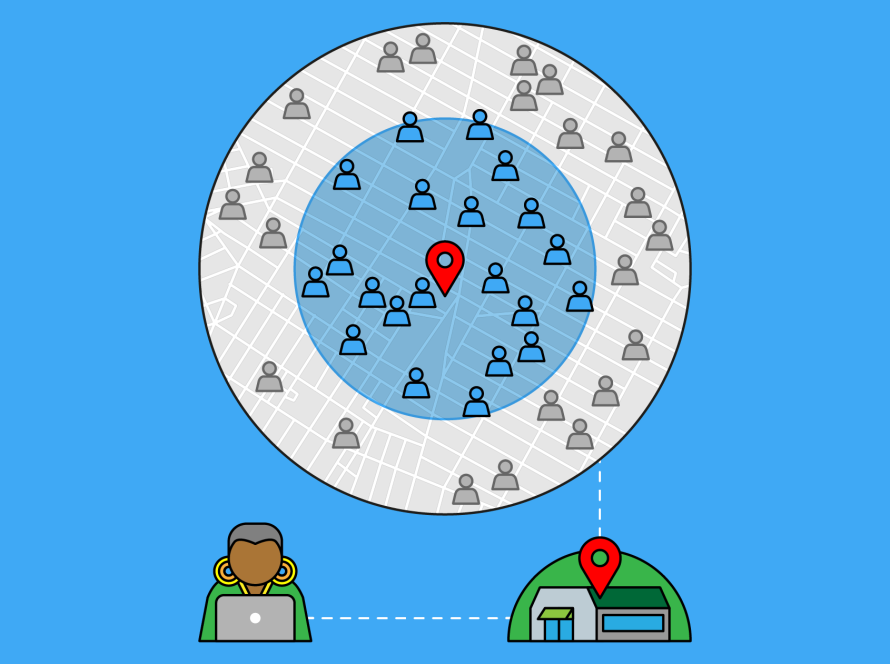
Modern attribution models use anonymized mobile location data to measure:
- Store visitation lift
- Cross-channel engagement
- Online search spikes
OOH works especially well when paired with digital campaigns.
It builds top-of-mind awareness that improves the performance of other channels.
The Future of Outdoor Advertising
Looking ahead, expect to see:
More Sustainability
Solar-powered billboards and eco-friendly materials are becoming more common.
Augmented Reality (AR)
Billboards triggering AR experiences on smartphones.
Retail Media Expansion
More digital screens inside retail stores influencing buyers right at the point of purchase.
Outdoor advertising isn’t competing with digital marketing.
It’s integrating with it.
Final Thoughts
The billboard industry has proven something important:
Physical visibility still matters in a digital world.
But today’s OOH isn’t just a static sign on a highway. It’s data-driven, dynamic, measurable, and integrated into broader marketing ecosystems.
If used strategically, it remains one of the most powerful awareness and brand-building tools available.
And in a world full of skip buttons and ad blockers, being unskippable is a serious advantage.