Multi-family marketing isn’t what it used to be.
Renters shop differently now. Technology has changed the game. Competition is tighter. And if you’re still relying on old-school listing syndication and hoping for traffic, you’re already behind.
In 2026 and beyond, winning in multi-family marketing means understanding how renters actually search, decide, and stay.
Let’s break down what’s working now.
Renters Don’t Shop Alone Anymore
One of the biggest shifts? Apartment hunting is rarely a solo activity.
Most renters involve at least one other person — a spouse, roommate, partner, or even family member — in the decision. That means your marketing isn’t speaking to one person.
It’s speaking to a decision-making unit.
Your photos, messaging, and ads should address:
- Lifestyle
- Budget practicality
- Space functionality
- Emotional comfort
If your property only speaks to aesthetics but ignores value and logistics, you’ll lose the group conversation.
Hyper-Local Is the New Competitive Edge
The majority of renters move within the same county. They already know the area. They’re comparing you directly to the property down the street.
That means generic messaging doesn’t work.
You need:
- Localized ads
- Geofencing campaigns
- Streaming TV placements
- Neighborhood-focused content
Instead of saying “Luxury Living,” say:
“Steps from the best coffee shop in Midtown.”
Be specific. Own your neighborhood.
AI Is Changing How Renters Search
AI tools like ChatGPT, Gemini, and Perplexity AI are now influencing how renters gather information.
Search results increasingly show AI-generated summaries. Renters ask detailed questions like:
- “Best apartments near downtown under $2,000 with parking?”
- “Pet-friendly apartments with coworking space?”
If your property data isn’t structured clearly — pricing, availability, amenities, location — AI tools can’t surface you properly.
This is where Generative Engine Optimization (GEO) comes in. It doesn’t replace SEO. It expands it.
Clean data wins.
Community-Level Branding Beats Corporate Generic
Corporate branding matters — but renters don’t move into a logo.
They move into a community.
Each property needs its own identity:
- Who is this community for?
- What lifestyle does it represent?
- What makes it different from the sister property across town?
If everything looks the same, nothing stands out.
Virtual Tours Aren’t Optional Anymore
Today’s renter expects immersive digital experiences.
Many prospects won’t even consider a property without a virtual tour.
Modern 3D scanning tools like Matterport allow you to create:
- Interactive 3D tours
- Video walkthroughs
- Professional photography
- Accurate floor plans
All from one capture session.
Virtual tours aren’t just convenient — they pre-qualify leads and increase in-person conversion rates.
Your Website Is a Conversion Tool, Not a Brochure
In 2026, your website must be:
- Mobile-first
- Fast-loading
- Fee-transparent
- Easy to navigate
Most renters search on their phones. If your site isn’t seamless on mobile, you’re losing prospects before they ever call.
And fee transparency is huge. Hidden costs drive negative reviews and kill trust. Pricing should be clear — no mystery charges, no forced phone calls just to understand total cost.
Umbrella Brand or Individual Property Sites?
If you manage multiple properties, you have a decision to make.
Umbrella website advantages:
- Consolidated SEO authority
- Operational efficiency
- Easier cross-promotion
Individual property sites work better when:
- The property has a unique audience
- Hyper-local SEO is the primary strategy
- The community has a strong standalone identity
There’s no universal answer — it depends on your portfolio and growth strategy.
Social Media Is the New “Vibe Check”
Renters want to feel the energy of a property before they tour.
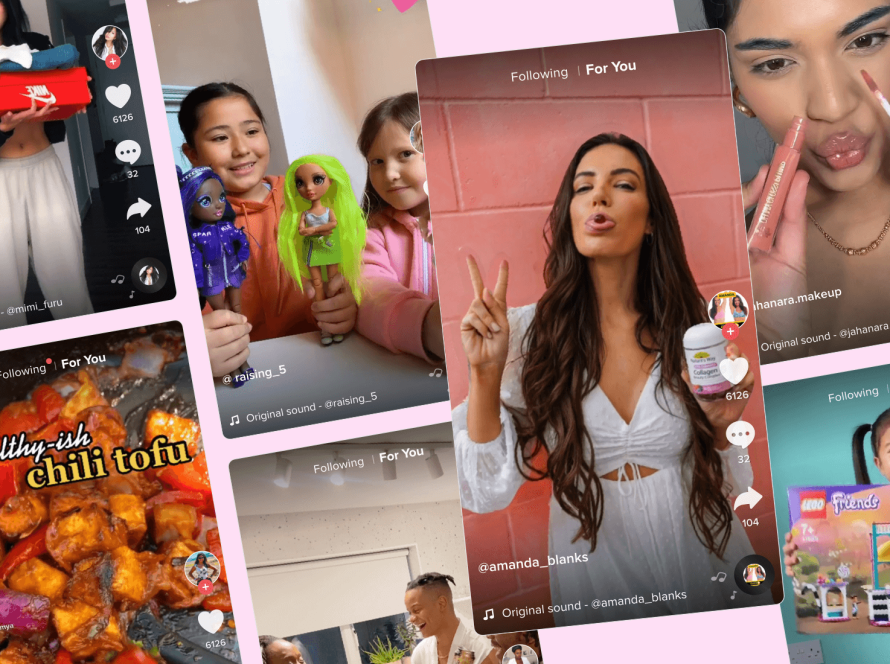
Short-form video content on:
- Instagram Reels
- TikTok
- Even Reddit and Nextdoor
helps prospects quickly assess if your community matches their lifestyle.
Your Google Business Profile also needs consistent updates and active review management. Local visibility starts there.
Retention Is Marketing
Attracting new residents is expensive.
Replacing one resident can cost the equivalent of several months of lost rent. Reducing turnover even slightly can dramatically increase NOI.
Retention starts with:
- Fast, responsive maintenance
- Strong communication
- Community events
- Resident engagement
When people feel connected, they renew.
Community-building events, wellness initiatives, and networking opportunities can significantly improve lease renewals.
ESG, Incentives & Local Partnerships
Modern renters care about:
- Energy efficiency
- Recycling programs
- Sustainability initiatives
- Social responsibility
ESG-focused improvements don’t just improve perception — they can improve performance.
Add renewal incentives like:
- Early renewal discounts
- Rent freezes
- Loyalty rewards
And partner with local businesses to offer perks. It integrates your property into the neighborhood instead of isolating it.
Data-Driven Advertising Is the Smart Way to Scale
Predictive advertising helps adjust marketing spend based on real-time occupancy and demand.
If one property needs traffic, increase spend.
If another is nearly full, scale back.
Marketing budgets should be dynamic, not fixed.
Final Thoughts
Multi-family marketing in 2026 is about balance.
High-tech digital experiences.
Clear, structured data for AI visibility.
Mobile-first websites.
Hyper-local positioning.
And most importantly — strong resident retention.
If you combine immersive marketing with genuine community building, you don’t just fill units.
You build a brand residents want to stay with.
And in this market, retention is just as powerful as acquisition.