1. Introduction
Hyper-local content marketing in real estate focuses on targeting potential clients within a very specific geographical area, often as small as a few neighborhoods, rather than a whole city or region [1]. This strategy allows real estate professionals to establish themselves as experts within a particular community, building trust and attracting high-quality leads through location-based searches [1] [2].
In today’s competitive real estate market, buyers and sellers are increasingly seeking detailed, neighborhood-specific information that national real estate sites cannot provide. This creates a significant opportunity for local agents to showcase their unique insights and expertise [1].
2. Key Strategies for Hyper-Local Content Marketing
Effective hyper-local content marketing involves a multi-faceted approach, integrating various digital and traditional marketing techniques tailored to a specific community. The following strategies have been identified as crucial for success:
2.1. Master Video Marketing
Video content significantly outperforms text and images in terms of engagement. Real estate agents can leverage video by creating compelling virtual tours, hosting live-streamed open houses, and developing neighborhood spotlight videos that showcase local amenities and lifestyle [1].
2.2. Leverage Social Proof with Client Success Stories
Showcasing client testimonials, before-and-after transformation stories, and detailed case studies builds trust. Video testimonials are particularly effective due to their emotional impact. These stories should be shared across websites, social media, and through custom real estate apps [1].
2.3. Implement Strategic Content Marketing
Positioning oneself as a local market expert requires creating valuable, educational content. This includes blog posts on market trends, home buying tips, neighborhood guides, and investment strategies. Downloadable resources like first-time buyer checklists and market reports also add significant value and improve SEO [1].
2.4. Harness the Power of Email Automation
Building sophisticated email sequences that nurture leads over time is essential. Tailored email campaigns for buyers and sellers, including market updates, new listings, price changes, and educational content, help maintain consistent communication and keep agents top-of-mind [1].
2.5. Optimize for Local SEO Dominance
To be the first result when people search for local real estate services, agents must optimize their Google My Business profile, collect positive reviews, create location-specific landing pages, and build local citations. Focusing on long-tail keywords like “homes for sale in [specific neighborhood]” is more effective than broad terms [1] [2].
2.6. Create Strategic Partnerships
Building relationships with complementary service providers such as mortgage brokers, home inspectors, and interior designers can generate reliable qualified leads through referral programs [1].
2.7. Host Educational Workshops and Webinars
Hosting workshops on topics like
“First-Time Home Buying 101” or “Preparing Your Home for Sale” positions agents as educators and attracts serious prospects. Offering both in-person and virtual options maximizes attendance [1].
2.8. Utilize Targeted Social Media Advertising
Beyond generic posts, agents should use platform-specific advertising tools to target users based on demographics, interests, and behaviors. Creating custom audiences from email lists and website visitors, then developing lookalike audiences, can reach similar prospects effectively [1].
2.9. Develop a Referral System That Actually Works
Past clients are a prime source of new business. A formal referral program with clear incentives, regular follow-up schedules, and appreciation events (e.g., personalized gifts on closing anniversaries) can systematically generate referrals [1].
2.10. Embrace Direct Mail with a Modern Twist
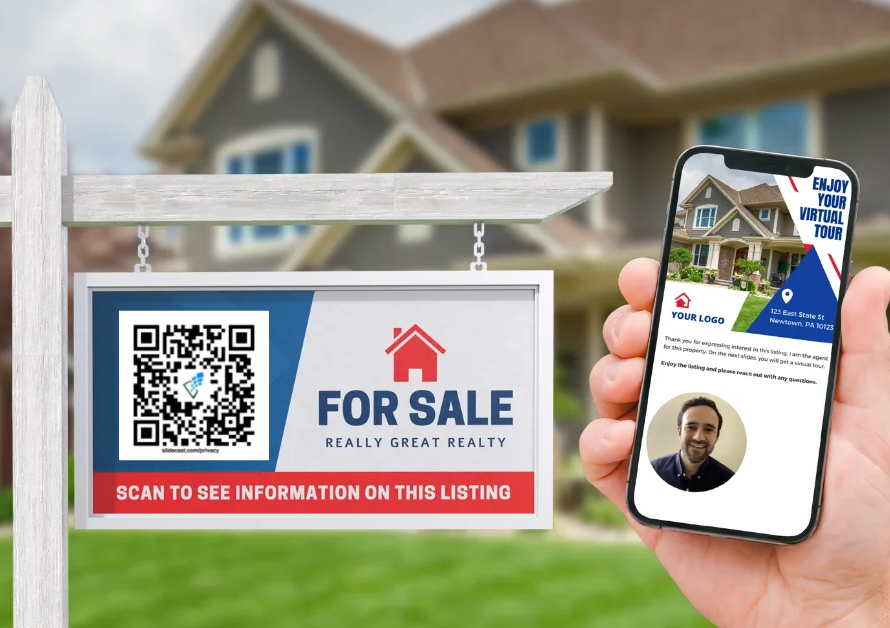
Well-executed direct mail campaigns, such as eye-catching postcards with QR codes linking to virtual tours or personalized market reports, can still deliver impressive results. Integrating these with digital tools like custom real estate apps enhances their effectiveness [1].
2.11. Build a Strong Personal Brand
A strong personal brand differentiates agents in a crowded market. This involves developing a consistent visual identity, crafting a compelling value proposition, and sharing one’s story authentically across all marketing channels, focusing on unique backgrounds, specializations, or client service approaches [1].
2.12. Maximize Open House ROI
Transforming open houses into lead generation opportunities involves requiring registration for pre-showings, creating interactive displays with neighborhood information, and using white-label real estate apps to collect contact information and nurture leads automatically [1].
2.13. Custom Real Estate Apps
Combining these strategies through a centralized, custom mobile platform, such as a HomeStack app, can create exponential results. These apps serve as a hyper-local mobile business headquarters, unifying the marketing ecosystem and providing comprehensive analytics [1].
3. Measuring Success in Hyper-Local Real Estate Marketing
Measuring the effectiveness of hyper-local marketing strategies is crucial for optimizing efforts and demonstrating ROI. Key Performance Indicators (KPIs) and metrics can help track progress and identify areas for improvement [3] [4].
3.1. Website Traffic and Engagement
- Total Visits: Number of unique visitors to the website, especially to local-specific pages [4].
- Time on Page: Average time users spend on hyper-local content, indicating engagement [3].
- Bounce Rate: Percentage of visitors who navigate away from the site after viewing only one page, with lower rates indicating better engagement [4].
- Local SEO Rankings: Position in search engine results for hyper-local keywords (e.g., “homes for sale in [neighborhood]”) [1].
3.2. Lead Generation and Conversion
- Leads Generated: Number of inquiries or contact forms submitted through hyper-local content [4].
- Cost Per Lead (CPL): The cost incurred to acquire a single lead, helping to assess marketing efficiency [4].
- Lead Conversion Rate: Percentage of leads that convert into appointments or clients [3].
- Referrals: Number of new clients acquired through referral programs or word-of-mouth from local community engagement [1].
3.3. Social Media and Community Engagement
- Follower Growth: Increase in followers on social media platforms, particularly local community groups [1].
- Engagement Rate: Likes, comments, shares, and saves on hyper-local social media content [1].
- Event Attendance: Number of participants in local workshops, webinars, or community events [1].
- Online Reviews: Quantity and quality of reviews on platforms like Google My Business and Zillow [1] [2].
4. Case Studies and Success Stories
Several real estate professionals have demonstrated significant success through hyper-local content marketing:
4.1. David Giambruno (San Jose, California)
David Giambruno, a real estate agent in San Jose, California, leveraged Nextdoor to establish himself as a neighborhood expert. By actively engaging with neighbors, sharing local insights, and sponsoring community events (like dog owner meetups), he built a strong reputation and generated leads. His strategy focused on authenticity and providing value to the community, leading to direct client acquisition [5].
4.2. Cole Slate (RiverTown, Florida)
Cole Slate, a broker-associate in RiverTown, Florida, built his niche by becoming the “source of the source” in his community. He hosts monthly food truck events for neighbors, covers the cost, and actively participates in community discussions on platforms like Facebook. This approach has led to significant name recognition and organic referrals, as residents turn to him for local recommendations and real estate insights [6].
4.3. Mariah Marvel (Tampa, Florida)
Mariah Marvel, a social media influencer and sales associate in Tampa, Florida, uses content focused on local neighborhoods, small businesses, and lifestyle to attract clients. Her Instagram content, @movewithmariah, showcases her personal life alongside local explorations, building authentic connections with followers. She shares tips on local playgrounds and summer activities for kids, which has resulted in successful referrals from agents whose clients resonate with her content [6].
5. Conclusion
Hyper-local content marketing is a powerful and increasingly essential strategy for real estate professionals seeking to differentiate themselves and attract high-quality leads. By focusing on specific neighborhoods, providing authentic value, and engaging with local communities through diverse content formats and platforms, agents can establish themselves as trusted experts. Measuring success through relevant KPIs ensures continuous improvement and maximizes the return on marketing efforts. The success stories of agents like David Giambruno, Cole Slate, and Mariah Marvel underscore the effectiveness of this approach in building strong community ties and driving business growth.
6. References
[1] HomeStack. (2025, August 14). 13 Hyperlocal Real Estate Marketing Ideas to Attract More Leads. Retrieved from https://www.homestack.com/blog/13-hyperlocal-real-estate-marketing-ideas-to-attract-more-leads
[2] Follow Up Boss. (2025, June 10). How to use hyperlocal real estate marketing to attract more leads. Retrieved from https://www.followupboss.com/blog/hyperlocal-real-estate-marketing
[3] Plecto. (2026, January 29). 10 Real Estate KPIs to Track in 2026. Retrieved from https://www.plecto.com/blog/sales-performance/kpis-for-real-estate/
[4] Leni. (2023, August 30). 15 Essential KPIs for Real Estate Marketing Success. Retrieved from https://leni.co/guide/15-essential-kpis-for-real-estate-marketing-success-leni/
[5] Nextdoor Business. How This Real Estate Agent Uses Nextdoor to Be a Neighborhood Expert. Retrieved from https://business.nextdoor.com/en-us/resources/success-stories/how-this-real-estate-agent-uses-nextdoor-to-be-a-neighborhood-expert
[6] Florida Realtors. (2025, July 21). Hyperlocal Hustle: How to Dominate Micro Markets. Retrieved from https://www.floridarealtors.org/news-media/news-articles/2025/07/hyperlocal-hustle-how-dominate-micro-markets