Open houses are still one of the most powerful tools in real estate.
Yes, we live in a world of online listings, 3D tours, and AI-powered ads — but there’s something about walking through a home in person that no website can replace. The key is this:
An open house isn’t just a showing. It’s a marketing event.
And if you treat it that way, your results change dramatically.
Let’s break down what a modern Open House Marketing Kit looks like, how to use it effectively, and where things are headed in 2026.
1. What Goes Inside a Modern Open House Marketing Kit?
A great open house kit isn’t just a sign and a stack of flyers. It’s a coordinated set of tools designed to attract traffic, capture leads, and strengthen your brand.
1.1 Physical Signage: Your Traffic Engine
Signs still matter — a lot.
You need:
- Large, clean yard signs
- Directional A-frame signs from main roads
- Clear “Open House” arrows
- A professional welcome sign at the door
Good signage doesn’t just guide people — it signals professionalism. If your signs look sharp, buyers assume your service is sharp too.
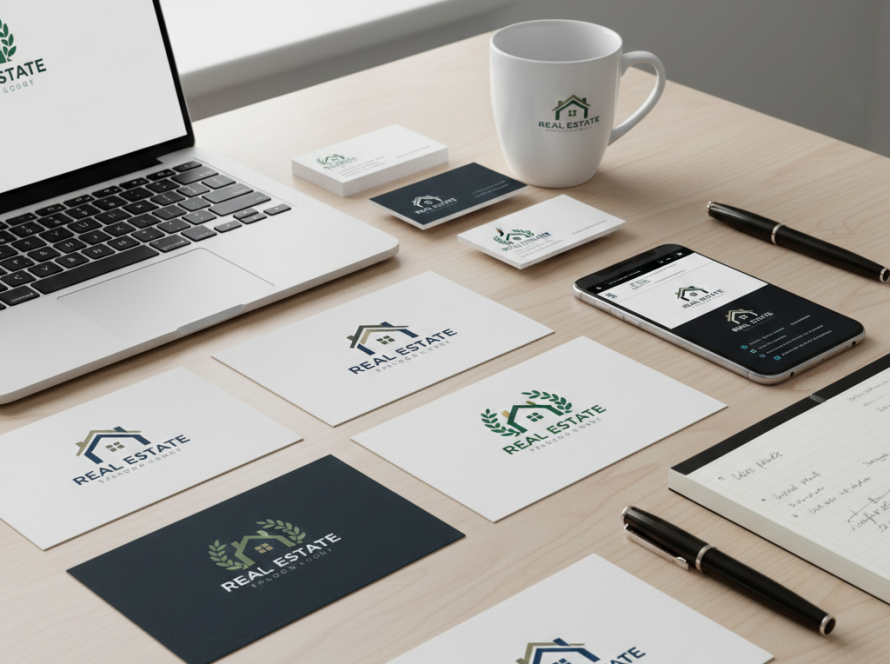
1.2 Printed Materials That Actually Get Taken Home
Even in a digital world, people still grab paper.
Your printed materials should include:
- A high-quality property flyer with strong photos
- Property specs (beds, baths, square footage, upgrades)
- A compelling description
- Neighborhood highlights (schools, parks, commute times)
Some agents use “beauty sheets” — premium glossy summaries that feel elevated. The goal isn’t just information. It’s presentation.
You can also send postcards or door hangers in the neighborhood before the event to drive traffic.
1.3 Lead Capture: This Is the Whole Point
An open house without lead capture is just a free tour.
You can use:
- Paper sign-in sheets
- Tablet-based digital sign-ins
- QR code check-ins
- Feedback forms
Digital sign-ins are becoming the standard. They give you clean data, automatic CRM integration, and faster follow-up.
You can also offer value-add materials like buyer guides or seller checklists. This positions you as a resource — not just a host.
1.4 Hospitality That Elevates the Experience
Little details make a big difference.
- Shoe covers (shows respect for the home)
- Branded water bottles
- Light snacks
- Kids’ activity sheets for families
It’s not about spending a fortune. It’s about creating a welcoming experience people remember.
1.5 Digital Integration: Non-Negotiable in 2026
If you’re not using digital tools at your open house, you’re behind.
At minimum, you should have:
- QR codes linking to the listing page
- A virtual tour (preferably 3D)
- Digital disclosure access
- Automated follow-up emails
- Social media content captured during the event
Many buyers expect to scan something and instantly access more information. Make it easy.
2. How to Use Your Open House Kit Strategically
Success doesn’t happen by accident. It happens in three phases:
Before. During. After.
2.1 Before the Event: Promotion Is Everything
If nobody shows up, none of the rest matters.
Promote through:
- MLS
- Email blasts
- Social media events
- Facebook and Instagram posts
- Direct mail
- Neighborhood invites
Weekends — especially late morning to early afternoon — typically work best. Always check local events to avoid competition.
A smart move? Invite neighbors 30–60 minutes before the public start time. Neighbors are future sellers. Treat them like gold.
You can also build anticipation with teaser videos or quick walk-through clips on social media.
2.2 During the Event: Be Strategic, Not Salesy
Arrive early. Lights on. Blinds open. Neutral scent.
Instead of grilling visitors, ask open-ended questions:
“What features are most important to you in your next home?”
“How does this compare to what you’ve seen so far?”
Let them talk. Listen more than you speak.
Know the neighborhood well — schools, commute times, amenities. Buyers don’t just buy houses. They buy lifestyle.
Also: stay security-conscious. Keep an eye on traffic flow and valuables.
2.3 After the Event: The Real Money Is Here
The follow-up is where most agents drop the ball.
Within 24 hours:
- Send a thank-you message
- Include a link to the listing
- Offer to answer questions
- Share additional info if relevant
Then categorize your leads:
- Hot
- Warm
- Cold
Put them into your CRM and nurture accordingly.
Also provide the seller with a clean attendance report and summarized feedback. This builds trust and demonstrates value.
3. Digital Trends Shaping Open Houses in 2026
Open houses are becoming more tech-driven every year.
3.1 QR Codes & Paperless Access
Buyers expect instant access to:
- Full property details
- Virtual tours
- Disclosure documents
- Financing calculators
QR codes make that seamless.
3.2 Social Media as a Marketing Amplifier
Open houses aren’t just for the people who attend.
They’re content opportunities.
Agents are creating:
- Instagram Reels
- TikToks
- Behind-the-scenes clips
- Live walkthroughs
This builds personal brand authority and expands reach beyond the physical event.
3.3 AI in Open House Marketing
AI is starting to influence:
- Property descriptions
- Email follow-up copy
- Lead scoring
- Visitor behavior analysis
- Virtual staging
It’s not about replacing agents. It’s about helping them move faster and smarter.
Final Thoughts
An open house is no longer just a few signs and a sign-in sheet.
It’s a coordinated marketing system.
When you combine:
- Strong physical presence
- Professional printed materials
- Digital lead capture
- Strategic follow-up
- Social media amplification
- Smart automation
You turn a simple showing into a lead-generating machine.
In a competitive market, the agents who win aren’t just hosting open houses.
They’re running well-orchestrated marketing events.
And when done right, those events don’t just sell homes — they build long-term business.