1. Introduction
The real estate industry, traditionally reliant on intuition and historical data, is undergoing a significant transformation driven by predictive analytics and big data. This report explores the profound impact of these technologies on various facets of the real estate market, from investment and development to property management and valuation. Predictive analytics, powered by vast datasets, enables stakeholders to forecast future trends, optimize decisions, and gain a competitive edge in an increasingly complex and dynamic market.
2. Key Concepts: Big Data Fuels Predictive Analytics
Big data in real estate refers to the immense volume, velocity, and variety of structured and unstructured data generated from diverse sources. This includes traditional real estate data (e.g., property records, transaction histories) as well as non-traditional data (e.g., social media sentiment, foot traffic, satellite imagery, IoT sensor data). The sheer scale and complexity of this data necessitate advanced analytical techniques.
Predictive analytics leverages statistical algorithms, machine learning (ML), and artificial intelligence (AI) to analyze historical and current data to make probabilistic predictions about future events. In real estate, this translates to forecasting property values, identifying market shifts, predicting demand, and assessing risks with greater accuracy than traditional methods.
3. Applications of Predictive Analytics in Real Estate
Predictive analytics offers a wide range of applications that are reshaping decision-making across the real estate lifecycle:
3.1. Market Forecasting
Predictive models analyze economic indicators, demographic shifts, supply and demand dynamics, and other variables to forecast market trends. This helps investors and developers identify emerging opportunities and potential downturns, allowing for more strategic planning [1].
3.2. Property Valuation and Pricing Optimization
By analyzing a multitude of factors such as property characteristics, location, comparable sales, and even hyperlocal amenities (e.g., proximity to coffee shops or grocery stores), predictive analytics can provide highly accurate property valuations and optimize pricing strategies for sales and rentals [1].
3.3. Lead Prioritization
Real estate agents and brokers can use predictive models to identify potential buyers or sellers who are most likely to transact in the near future. This involves analyzing behavioral data, online activity, and demographic information to prioritize leads and personalize outreach [2].
3.4. Investment Strategies
Investors utilize predictive analytics to identify undervalued properties, assess the potential return on investment, and optimize portfolio performance. This includes analyzing risk factors, market liquidity, and growth potential across different asset classes and geographic regions [1].
3.5. Risk Assessment
Predictive models can assess various risks, including market volatility, credit risk, and environmental risks. For instance, they can predict the likelihood of mortgage defaults or identify properties susceptible to natural disasters, enabling proactive risk mitigation strategies.
4. Data Sources
The effectiveness of predictive analytics in real estate heavily relies on the quality and breadth of data. Data sources can be broadly categorized into traditional and non-traditional:
Traditional Data Sources:
- Property records (deeds, taxes, ownership)
- Transaction histories (sales prices, rental rates)
- Mortgage and lending data
- Demographic data (population, income levels)
- Economic indicators (GDP, employment rates)
Non-Traditional Data Sources:
- Geospatial data: Satellite imagery, GIS data, mapping services for land use analysis and site selection [3].
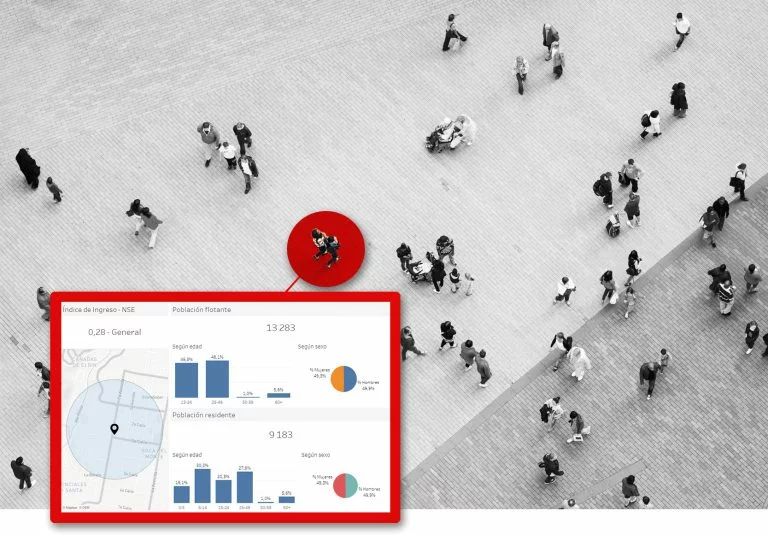
- Foot traffic data: Human mobility patterns derived from mobile devices, providing insights into commercial activity and neighborhood vibrancy [3].
- Social media sentiment: Analysis of online discussions and reviews to gauge public perception and local trends.
- Internet of Things (IoT) data: Sensor data from smart buildings for energy consumption, occupancy rates, and maintenance needs.
- Web scraping: Data from online listings, news articles, and forums to capture real-time market information.
5. Tools and Technologies
Several tools and technologies facilitate the application of predictive analytics in real estate:
- AI and Machine Learning Platforms: Specialized platforms and algorithms (e.g., Decision Trees, Logistic Regression, Random Forests) are used for model development and deployment [4].
- Data Providers: Companies like ATTOM Data Solutions and CoreLogic offer comprehensive property data, analytics, and AI-ready solutions [5, 6].
- PropTech Solutions: A growing number of PropTech companies are integrating predictive analytics into their offerings for various real estate functions, including property management, valuation, and investment [7].
- Business Intelligence (BI) Tools: Tools like SAP Analytics Cloud provide AI-powered predictive capabilities and business intelligence for real estate professionals [8].
6. Challenges and Considerations
Despite its immense potential, the adoption of predictive analytics in real estate faces several challenges:
- Data Quality and Integration: Ensuring the accuracy, completeness, and interoperability of diverse data sources remains a significant hurdle.
- Model Complexity and Interpretability: Advanced ML models can be complex, making it difficult to understand the underlying reasons for their predictions, which can be a barrier to trust and adoption.
- Privacy and Ethics: The use of personal and behavioral data raises concerns about privacy and ethical implications, requiring robust data governance frameworks.
- Talent Gap: A shortage of data scientists and AI specialists with real estate domain expertise can hinder effective implementation.
7. Conclusion
Predictive analytics, fueled by big data, is no longer a futuristic concept but a present-day reality transforming the real estate industry. By providing data-backed insights into market trends, property values, and investment opportunities, these technologies empower stakeholders to make more informed, strategic, and profitable decisions. As data sources continue to expand and analytical techniques evolve, the role of predictive analytics in real estate is poised for even greater influence, driving innovation and efficiency across the sector.
8. References
[1] Predictive Analytics in Real Estate: Benefits, Steps & More – RTS Labs
[2] How Real Estate Agencies Can Use Predictive Modeling for Market … – LinkedIn
[3] Geospatial Data for Real Estate Market – PREDIK Data-Driven
[4] A Predictive Analytics Approach for Real Estate Portfolio – ACM
[5] Real Estate & Property Data Solutions – ATTOM Data
[6] CoreLogic: Real Estate Data & Credit Insights – Leni.co
[7] 15 Fastest Growing PropTech Companies and Startups – Landbase
[8] Top 11 Predictive Analytics Tools of 2026 So Far – Rentana