Introduction
Commercial Real Estate is competitive. Whether you’re leasing office space, selling retail centers, or marketing industrial properties, getting in front of the right buyers and tenants is everything.
The truth? There’s no single magic marketing channel. The firms that win combine digital strategies with proven traditional methods. When done right, this multi-channel approach increases visibility, attracts serious investors and tenants, and ultimately drives more revenue.
Here’s a breakdown of the top marketing strategies in CRE — what they’re good at, why they matter, and what kind of returns you can realistically expect.

1. Search Engine Optimization (SEO)
SEO is the long game — and one of the smartest investments you can make.
When your website ranks high on search engines, you generate consistent, high-intent traffic without paying for every click. That means investors, tenants, and brokers can find your listings and expertise naturally when they search online.
A strong SEO strategy includes:
- Optimized property pages
- Helpful market content
- Technical website improvements
- Quality backlinks
- Great user experience
Why it works:
It builds authority over time and delivers steady, “free” traffic once it gains momentum.
Estimated ROI: Around 1,389%
Estimated Cost Per Lead: ~$416 for organic leads

2. Email Marketing
Email marketing is still one of the highest-return channels in commercial real estate.
If you have a quality list of investors, brokers, and tenants, email allows you to stay top-of-mind with:
- New listings
- Off-market opportunities
- Market updates
- Case studies
- Investment insights
It’s direct, personal, and measurable.
Why it works:
It nurtures relationships. CRE is relationship-driven, and email keeps the conversation going between deals.
Estimated ROI: $36–$42 for every $1 spent
Average Click-Through Rate: ~4.9%
3. Pay-Per-Click (PPC) & Search Engine Marketing (SEM)
If SEO is the long game, PPC is the fast lane.
Platforms like Google Ads let you appear at the top of search results immediately. This is especially powerful for:
- New developments
- Short-term leasing pushes
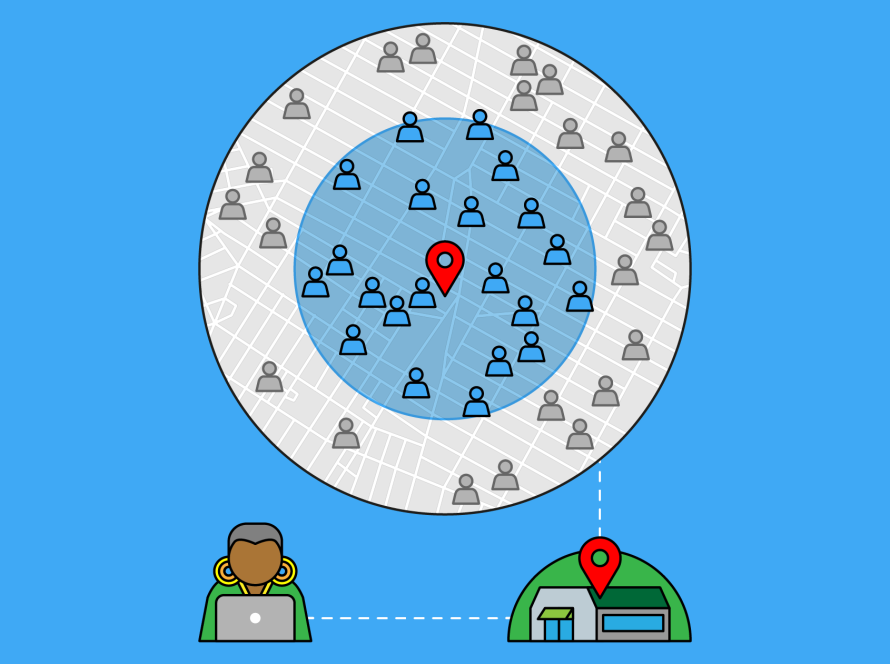
- Targeting specific cities or demographics
- Capturing high-intent search traffic
You pay for visibility, but you get instant exposure.
Why it works:
It puts your property in front of motivated prospects right away.
Estimated ROI: ~36%
Estimated Cost Per Lead: ~$480
4. Professional Photography & 3D Virtual Tours
In commercial real estate, perception is everything.
High-quality photography dramatically improves first impressions. Adding 3D virtual tours through platforms like Matterport takes it even further, allowing prospects to explore a property remotely and realistically.
This is especially important for out-of-state investors or corporate tenants narrowing options.
Why it works:
- Stronger first impressions
- More engagement
- Fewer unnecessary showings
- Faster leasing or sales cycles
Estimated ROI (Photography): 800%+
Impact Stats:
- Properties with professional photos sell 32% faster
- Virtual tours can reduce time on market by ~44%
5. Listing Platforms (LoopNet & Crexi)
When it comes to exposure in CRE, platforms like LoopNet and Crexi are industry staples.
They function as major marketplaces where brokers, investors, and tenants actively search for opportunities.
They’re not cheap — but they’re often considered essential.
Why they work:
- Massive built-in audience
- Highly targeted CRE users
- Detailed search tools
- Credibility and visibility
ROI: High visibility, but cost per lead varies by market and competition.

6. Content Marketing
Content marketing builds trust before the deal ever happens.
This includes:
- Market reports
- Blog posts
- Whitepapers
- Case studies
- Investment guides
Good content supports SEO and positions your firm as a thought leader in your niche — whether that’s industrial, retail, office, or multifamily.
Why it works:
Investors and tenants want informed partners. Educational content builds credibility and authority.
ROI: Often baked into overall SEO and digital marketing returns.
7. Social Media (Especially LinkedIn)
In commercial real estate, relationships matter — and few platforms are more powerful than LinkedIn.
LinkedIn allows you to:
- Connect with investors and brokers
- Share listings
- Publish market insights
- Run targeted ads by job title or industry
Unlike other social platforms, LinkedIn is built for professional visibility.
Why it works:
It combines branding, networking, and advertising in one place.
Estimated ROI: ~182%
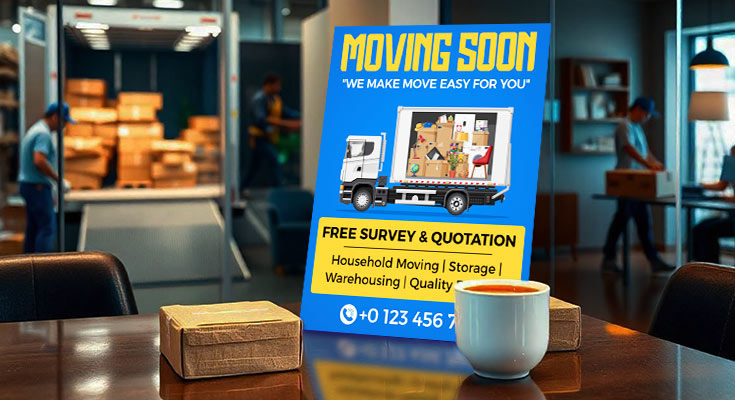
8. Traditional Marketing Still Matters
Digital gets attention, but traditional marketing still drives results — especially at the local level.
This includes:
- On-site signage
- Direct mail campaigns
- Industry publication ads
- Event sponsorships
For example, signage alone can generate a noticeable bump in inquiries, especially in high-traffic corridors.
Direct mail, when targeted properly, still produces solid response rates — particularly in niche markets.
Estimated ROI:
- Signage: 15–20% lift in inquiries or sales
- Direct Mail: ~29% median ROI
- Response Rates: 4.9%–9% depending on list quality

9. Webinars
Webinars are one of the most underutilized tools in CRE.
They allow you to:
- Present investment opportunities
- Walk through developments
- Share market insights
- Host live Q&A sessions
Unlike static content, webinars create direct interaction with highly interested prospects.
Why it works:
You’re not just marketing — you’re educating and engaging.
Estimated ROI: ~430%
My Thoughts
There’s no one-size-fits-all solution in Commercial Real Estate marketing.
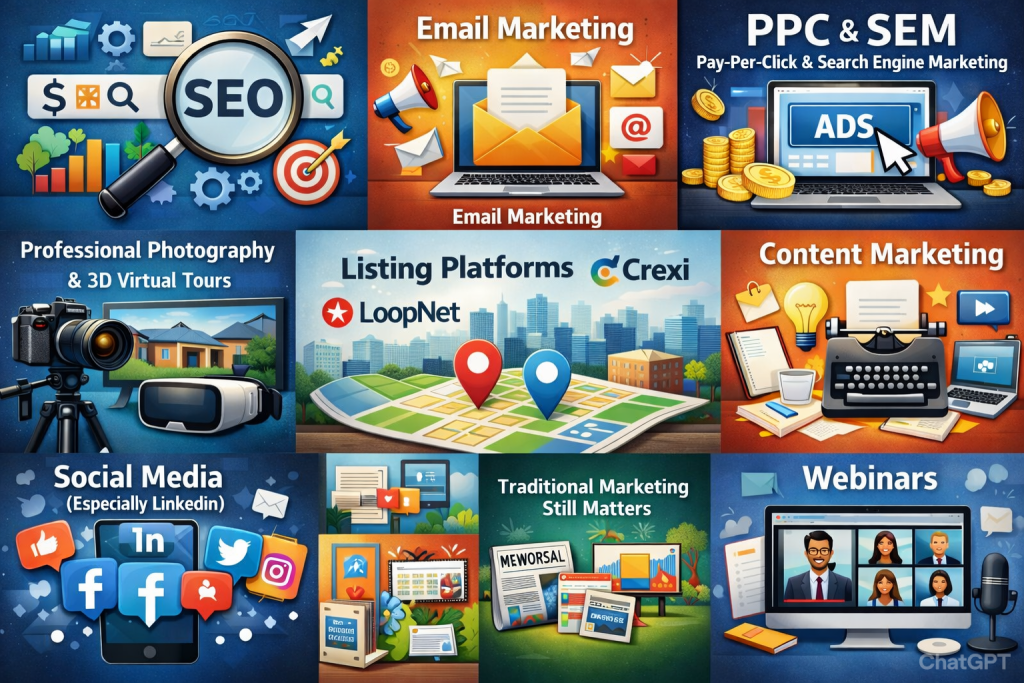
The highest-performing firms don’t rely on just one channel. They build a strategic mix:
- SEO for long-term authority
- Email for relationship nurturing
- PPC for immediate visibility
- Professional visuals for stronger first impressions
- Listing platforms for marketplace exposure
- Content and social media for credibility
- Traditional marketing for local dominance
When these channels work together, they create consistent visibility, better-qualified leads, and stronger deal flow.
In CRE, marketing isn’t just promotion — it’s positioning. And the firms that position themselves well win more listings, attract better tenants, and close more deals.