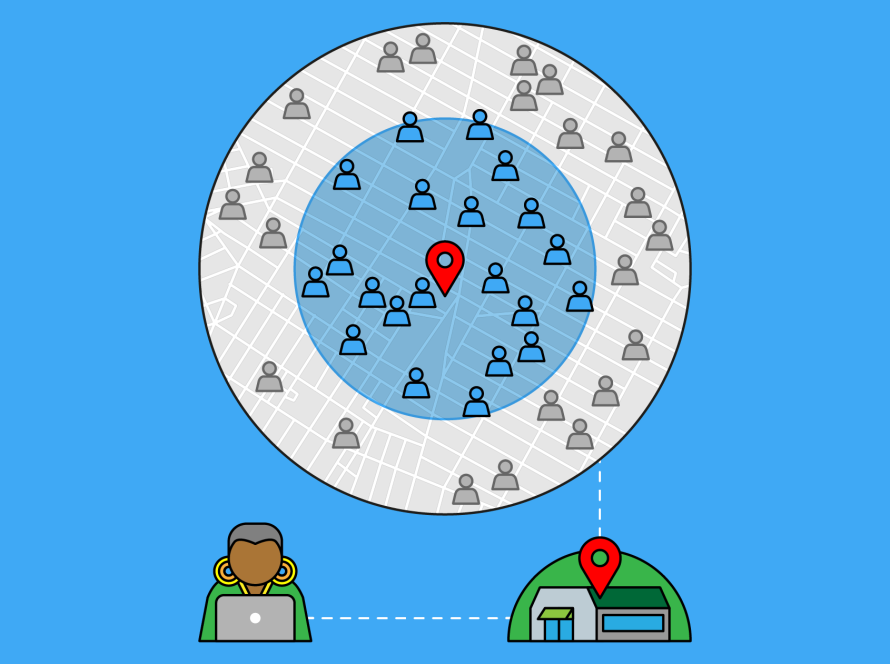
Let’s be honest — buyers don’t just shop for houses anymore.
They shop for neighborhoods.
They want to know:
- What’s nearby?
- How close is the coffee shop?
- Are there parks?
- What does the commute look like?
- Where are the schools?
Static listing photos don’t answer those questions.
That’s where interactive real estate maps change the game.
Done right, they don’t just “look cool.”
They keep buyers engaged longer, increase inquiries, and position you as the local expert.
Let’s break down how they work — and how to use them the right way.
What Is an Interactive Real Estate Map?
An interactive real estate map lets users:
- Click on properties
- Filter by price, beds, baths
- Explore neighborhood features
- View school zones
- See nearby amenities
- Get directions
- Sometimes even schedule a showing
Instead of scrolling through a list, buyers visually explore inventory.
And that changes behavior.
Why They Work So Well
1. Buyers Think Visually
Real estate is location-driven. When buyers see homes plotted on a map, they instantly understand:
- Distance to work
- Proximity to highways
- Nearby attractions
- Walkability
Platforms like Zillow and Redfin built their entire user experience around map-based browsing for a reason — it increases engagement.
People stay longer when they can explore.
2. It Feels Like Control
When someone uses an interactive map, they feel in control of the search.
They zoom in.
They move neighborhoods.
They click what catches their eye.
That ownership builds commitment.
And commitment increases the likelihood they’ll reach out.
3. It Positions You as the Local Authority
Here’s where most agents miss the opportunity.
An interactive map isn’t just for MLS listings.
You can create maps for:
- “Homes Under $400k”
- “Homes With Pools”
- “Investment Properties”
- “New Construction”
- “55+ Communities”
- “Top School Zones”
Now you’re not just sending listings.
You’re curating opportunities.
How to Use Interactive Maps the Right Way
1. Don’t Just Embed — Customize
Yes, you can embed a standard IDX map on your website.
But the real power comes from customizing it:
- Highlight specific neighborhoods
- Add school overlays
- Include local business markers
- Add commute time layers
Use mapping tools like Google Maps (custom maps feature) or advanced IDX providers that allow branded map experiences.
Make it yours.
2. Add Lead Capture Strategically
An interactive map is a powerful hook.
Instead of gating immediately, try this:
- Let users browse 2–3 properties
- Then require registration to continue exploring
This “soft gate” approach converts much better than blocking access instantly.
You can also offer:
“Save this map”
“Get instant alerts for this area”
“Download full neighborhood report”
Now you’re building a database, not just traffic.
3. Use It in Paid Ads
Most agents run Facebook or Google ads to:
“See Homes Available Now”
Instead of sending them to a boring landing page, send them to a curated interactive map.
The experience feels modern and high-end.
And if you’re running Google Local campaigns, pairing them with interactive maps increases relevance.
4. Use It in Listing Presentations
Want to impress sellers?
Show them:
- Where their home sits compared to active listings
- Nearby sold comps
- Competing price points visually
- Buyer activity zones
It demonstrates strategy — not just pricing opinions.
Sellers love data when it’s easy to understand.
Advanced Strategy: Heat Maps & Buyer Behavior
Some advanced platforms allow you to analyze:
- Most-clicked neighborhoods
- High-interest price ranges
- Popular commute corridors
- Search density by zip code
This tells you where demand is forming before everyone else sees it.
That’s powerful for prospecting.
Where Interactive Maps Really Shine
They’re especially effective for:
- Relocation buyers
- Out-of-state investors
- Luxury buyers
- New construction communities
- Large geographic markets
When buyers can’t physically explore easily, maps become their research tool.
The Bottom Line
Real estate isn’t just about property anymore.
It’s about experience.
Interactive real estate maps:
- Increase time on site
- Improve lead capture
- Position you as a local expert
- Make browsing more intuitive
- Modernize your brand
Most agents still rely on static listings and basic IDX feeds.
If you want to stand out, create an experience buyers actually enjoy using.
Because when buyers explore longer…
They inquire more.
And when they inquire more — you win.